Injection Moulding Die
Custom Designs
Precision Fit
Smooth Edges
Longer service life
Accurate Dimensions
Book a 20 Min. Strategy Call

Ontime and Stressfree Development withMoney Back Guarantee...
Injection Moulding Die
Custom Designs
Precision Fit
Smooth Edges
Longer service life
Accurate Dimensions
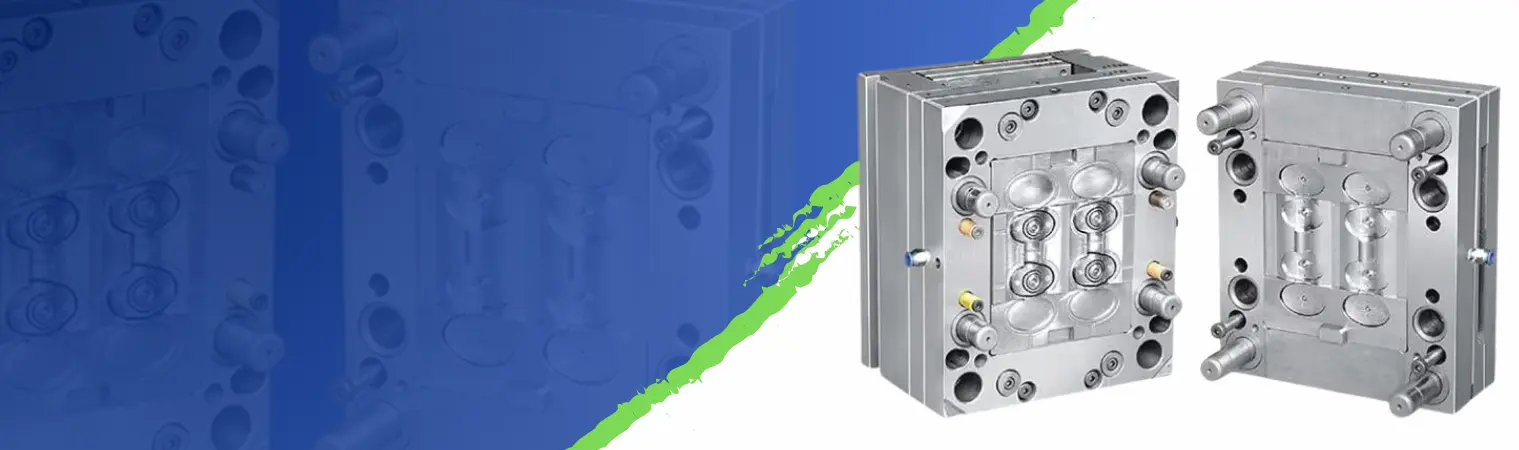
The procedure of making a part remains the same, whether you are using the injection molding field or the die casting. You need to create a mold or a die, in the form of the part that you are willing to create. After then you need to liquefy the material and then use extreme pressure for injecting that liquid into the mold or die. With the help of injection moulding die, you will get that structure you have been looking for the final item. Just be sure to get along with the best molding die from us so that you don’t have to look for it from anywhere else.
As you can understand from the name itself, in this section, the die is designed to cover up injection based molding. The injection moulding die design will have the good look, designed to address your needs and provide the best result.
Ready to See your Idea into Reality
We have served 264+ Clients so far…Discuss your Requirements with Our Experts.
Moulding Die In Industry
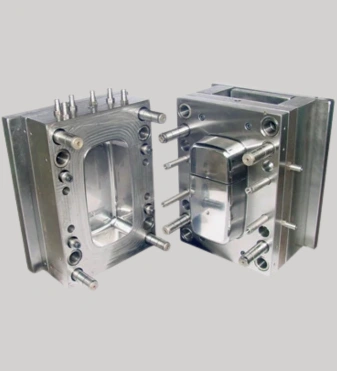
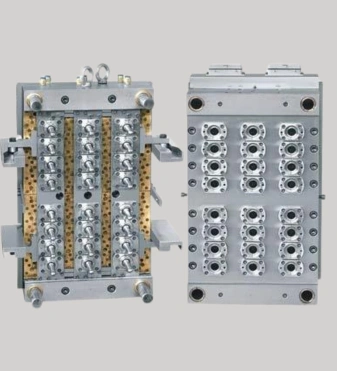
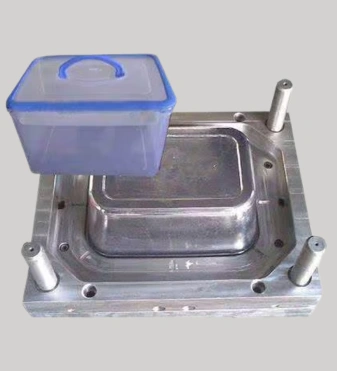
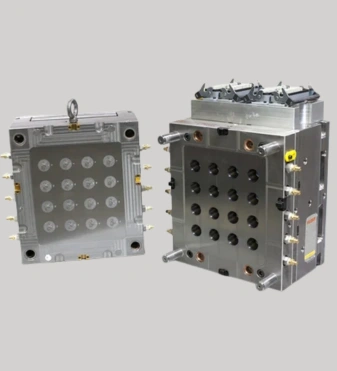
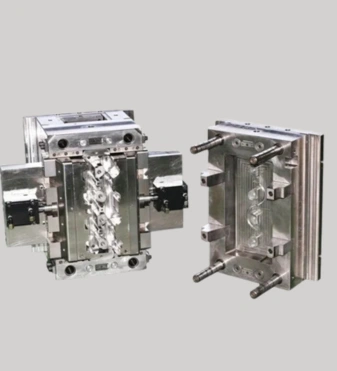
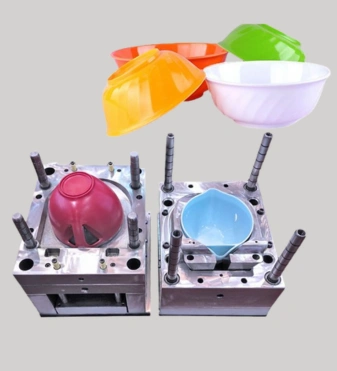
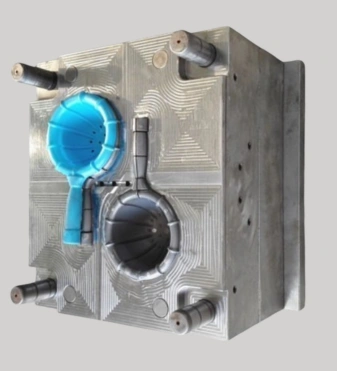
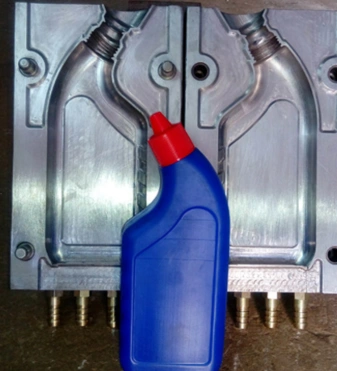
This might be the very first time when you are thinking about the injection moulding die cost. It is mandatory for you to know the amount you are willing to spend on the die mold.
As you are going to spend quite a hefty amount of money on the injection molding dies, you want the best team to help you with its manufacturing. We would love to be your trusted injection moulding dies manufacturers for the most top-notch quality results.
Countries
Industries Served
Projects
Clients
So, next time you are looking for the much needed injection molding dies for sale, be sure to give us a call. We will take care of all your needs and then present you with the best molding dies you are looking for in here.
Product designers and engineers should think about the metal that will be used to make the injection mold tool when contemplating plastic injection molding for a project. The choice of raw material for tools affects plastic die mould manufacturer lead times, cycle times, the quality of produced parts, and cost, among other factors. A wide range of materials, including thermoplastics, thermosets, and elastomers, are suitable for injection molding.
The material options for injection molding and the variations in tool materials are covered in this article, plastic injection molds start using tooling materials opportunities even if the choice of injection moulding die material may affect your selection of tooling material because the tooling stage comes before molding when creating your components. It's crucial to keep in mind that injection molding is frequently used to produce hundreds of thousands or even millions of identical plastic components when considering tooling materials. As a result, the procedure requires extremely robust metal molds.
Generally speaking, mild plastics may be used in steel or aluminum molds, while more abrasive polymers may work better in tougher steel molds. Steel molds may also be better able to process very large quantities of plastic components. However, aluminum molds are a very economical choice. Many aluminum grades are reasonably priced and may be processed using techniques like CNC machining, which also reduces lead times.
As a result, aluminum could be a better tooling material for orders with limited volume. Consider the function of the part while selecting an injection moulding die material. Based on the details of your project, we may assist you in locating an appropriate injection moulds and dies manufacturers. Just let us know what changes you require. Thermoplastics, all of which can be used for the procedure; thermosets, some of which can be used; and elastomers, some of which can be used, are the three primary groups of suitable injection molding materials.
Because they are naturally adapted to the molding process, thermoplastics are frequently employed. When temperatures rise, these polymers liquefy and become malleable; when temperatures fall, they solidify again. This implies that thermoplastics can be delivered to the hopper of an injection molding machine in solid, granular form, added to the heated chamber to melt the thermoplastics, and then injected into a metal mold.
The heated plastic starts to cool and solidify as soon as it contacts the interior of the mold, creating the completed item. Given the flexibility of the technique, it may be able to select from a variety of materials for an injection moulding die material. For parts that are often produced, such as housings, containers, valves, etc., there are some traditions in place.

